


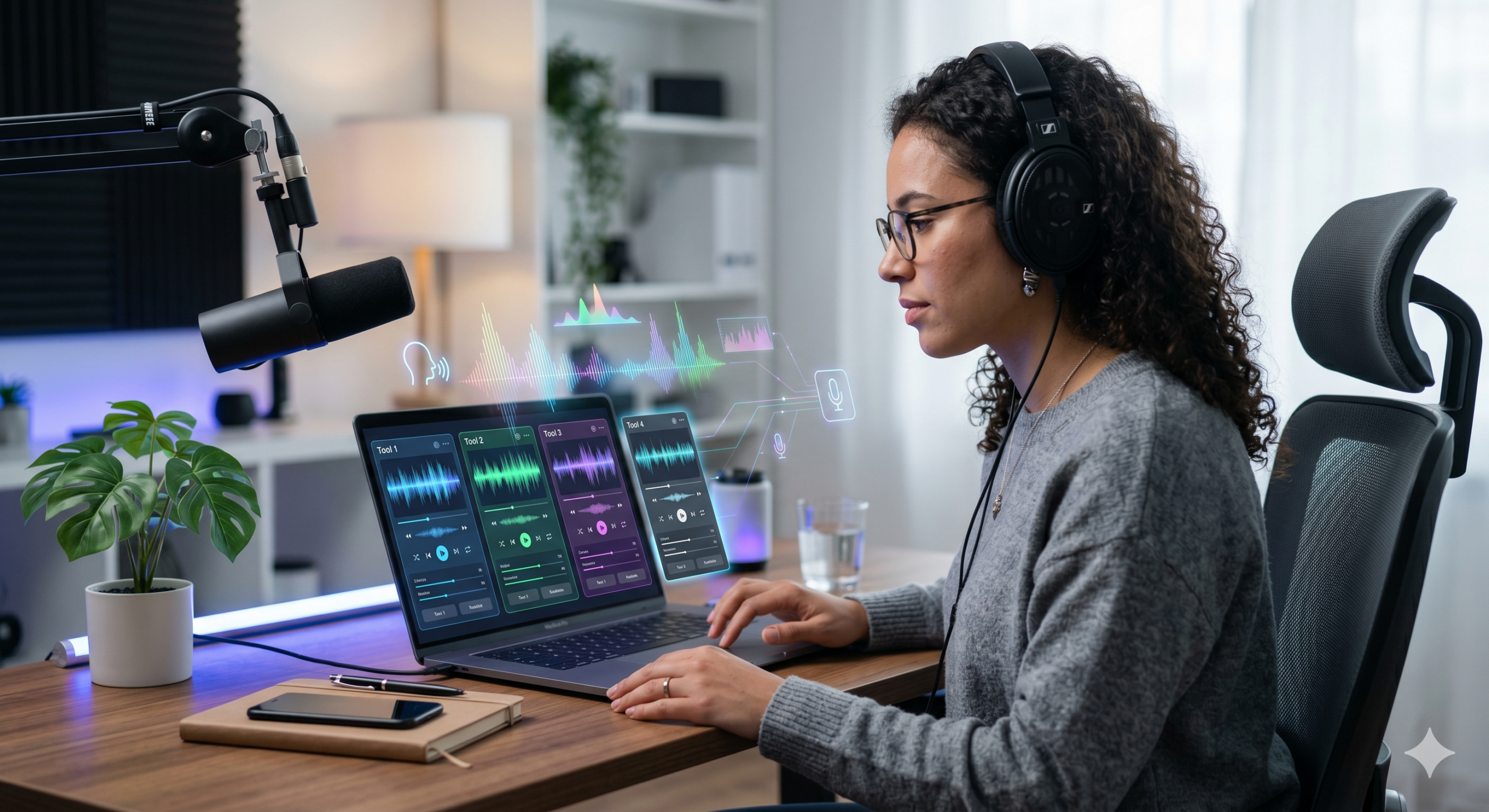
The demand for high-quality audio content continues to grow, and modern AI-powered solutions are making it easier than ever to convert text into natural speech. The best text to speech tools are now essential for businesses, developers, and creators looking to scale content, improve accessibility, and enhance user experience.
In 2026, these tools are powered by advanced artificial intelligence, delivering voices that sound remarkably human. This guide explores leading solutions, how they work, and how to choose the right platform.
What Are Text to Speech Tools?
The best text to speech tools are software platforms that convert written content into spoken audio using AI-driven voice synthesis. Unlike older systems that produced robotic output, modern solutions use deep learning and natural language processing to generate realistic speech.
These platforms are commonly used for:
- Voiceovers and video production
- Audiobooks and podcasts
- Customer support automation
- Accessibility improvements
They are available as cloud services, APIs, and standalone applications.
How Text to Speech Technology Works
Understanding the underlying process helps explain why today’s solutions sound so natural.
Text Analysis
The system evaluates the input text, including punctuation and structure, to determine how it should be spoken.
Phoneme Processing
Words are converted into phonemes to ensure proper pronunciation.
Neural Voice Generation
AI models generate speech patterns using large datasets of human voices.
Audio Output
The final output is produced as a natural-sounding audio file or real-time stream.
Key Benefits of Using Text to Speech Tools
Using the best text to speech tools offers several advantages.
Natural Voice Quality
Modern platforms produce lifelike speech with proper tone and pacing.
Scalability
You can generate large amounts of audio content instantly.
Cost Efficiency
There is no need for voice actors or recording studios.
Accessibility
Audio content becomes available to users with reading difficulties or visual impairments.
Global Reach
Support for multiple languages enables international expansion.
Top Text to Speech Tools in 2026
Several platforms stand out for performance, flexibility, and voice quality. Choosing the right platform depends on your specific needs, including voice quality, scalability, and ease of use. Reviewing the top text-to-speech tools in 2026 can help you compare features, pricing, and performance before making a decision.
ElevenLabs
Known for highly realistic voices and advanced voice cloning features.
Amazon Polly
A scalable cloud-based service with strong integration capabilities.
Google Cloud Text-to-Speech
Offers high-quality neural voices and robust developer tools.
Microsoft Azure Speech
Provides enterprise-grade voice solutions with customization options.
Murf AI
A user-friendly platform popular for marketing and e-learning content.
Features to Look For in a TTS Platform
When evaluating solutions, focus on features that impact performance and usability.
Voice Realism
Choose platforms that produce natural, human-like speech.
Customization Options
Control pitch, speed, and tone to match your needs.
Language Support
Ensure compatibility with your target audience.
SSML Capabilities
Advanced speech control improves output quality.
API Access
Developers benefit from flexible integration options.
Low Latency
Fast processing is essential for real-time applications.
Developer Use Cases
Developers rely on advanced speech tools to enhance applications and services.
Common Applications
- Voice-enabled apps
- Chatbots and assistants
- Accessibility tools
- Smart devices
Integration Workflow
- Send text to the API
- Process the request
- Receive audio output
- Play or store the result
Best Practices
- Optimize input text
- Use SSML for control
- Test across multiple voices
Practical Applications Across Industries
Speech technology is transforming how industries operate.
Content Creation
Creators produce voiceovers for videos and podcasts quickly.
E-Learning
Training materials become more engaging with audio narration.
Customer Support
Businesses automate calls and reduce response times.
Marketing
Brands create compelling ads and product demos.
Healthcare
Voice systems assist with documentation and patient interaction.
Challenges and Limitations
Despite its advantages, this technology has some limitations.
Emotional Depth
AI voices may not fully capture complex emotions.
Pronunciation Accuracy
Unusual words or names can sometimes be misinterpreted.
Ethical Concerns
Voice cloning raises questions about misuse.
Data Privacy
Cloud-based solutions require careful handling of sensitive data.
Future Trends in Text to Speech
Innovation continues to push this technology forward.
Hyper-Realistic Voices
Speech will become nearly indistinguishable from human voices.
Real-Time Translation
Language barriers will be reduced through instant voice translation.
Personalized Voices
Users will create unique voice identities.
Edge Processing
Local processing will improve speed and privacy.
Emotion-Aware AI
Systems will adapt tone based on context and sentiment.
Best Practices for Implementation
To maximize results, follow these expert recommendations.
Write Naturally
Conversational text improves output quality.
Test Voice Options
Different voices suit different audiences.
Use Advanced Controls
SSML enhances clarity and delivery.
Monitor Performance
Track engagement and optimize continuously.
Be Transparent
Inform users when AI-generated voices are used.
Conclusion
The best text to speech tools are transforming digital communication by making it faster, more accessible, and highly scalable. These platforms enable businesses and creators to produce high-quality audio without traditional limitations.
As AI technology evolves, speech solutions will become even more advanced, offering real-time capabilities and personalized experiences. Adopting the right platform today ensures long-term success in an increasingly voice-driven world.